The Maasai Mara Experience
The Mara hosted experience
Small Group | Fully Curated Safaris
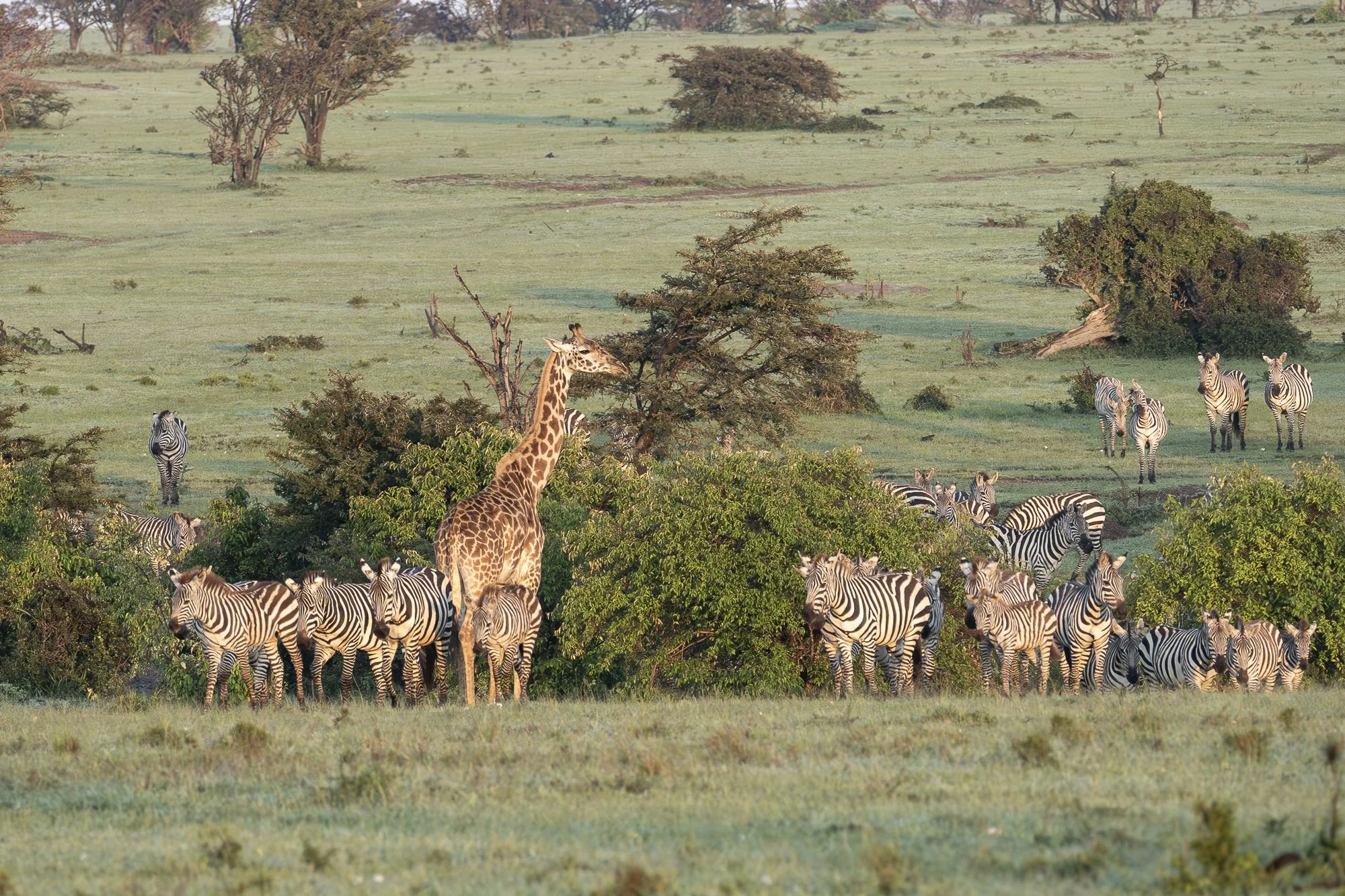
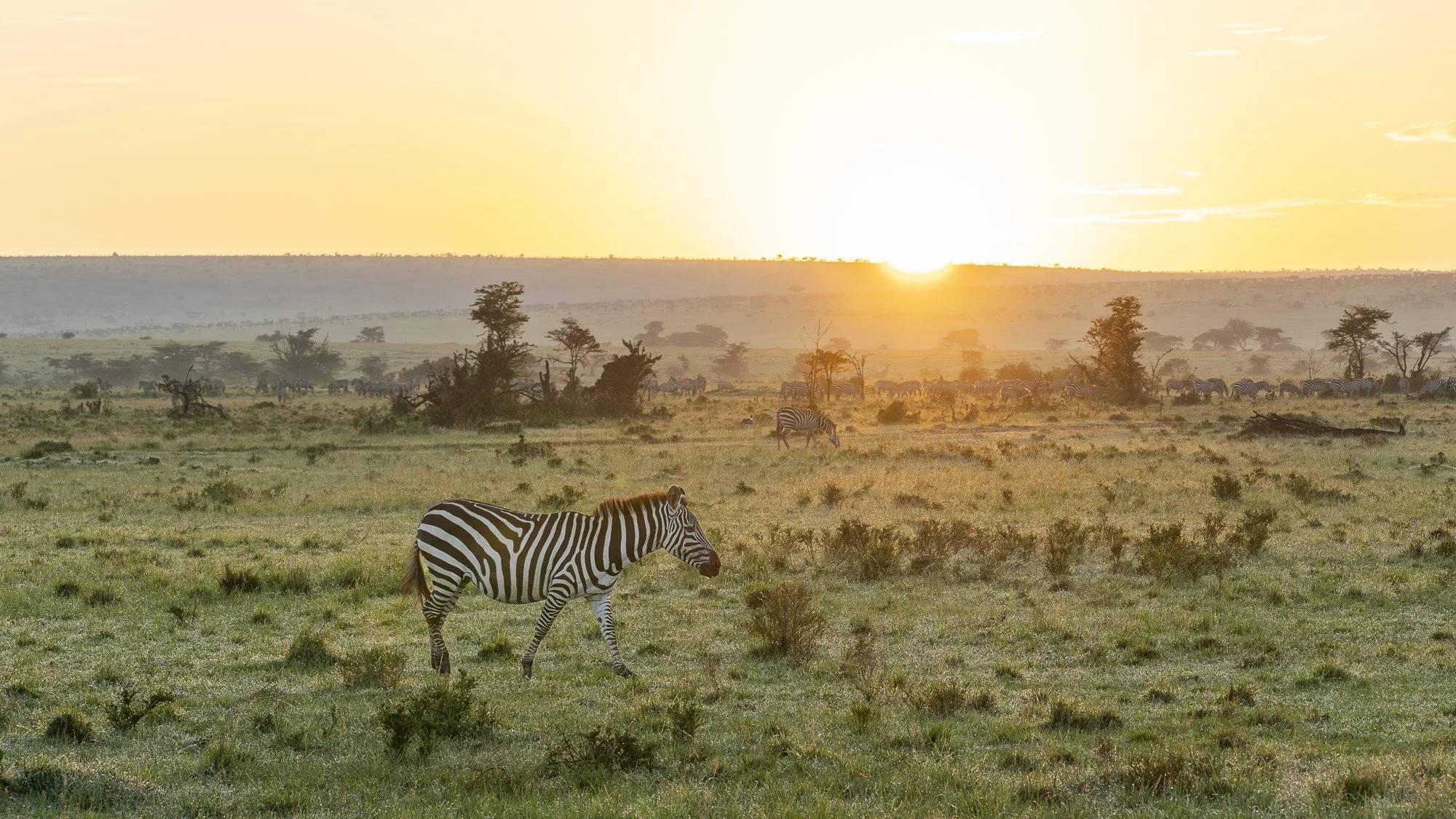
The Maasai Mara is one of Africa’s most iconic wildlife landscapes — a vast sweep of golden savannah, scattered acacia trees, winding rivers, and open horizons that seem to stretch endlessly into the sky. Located in southwestern Kenya, it forms part of the greater Serengeti ecosystem and is renowned for its extraordinary density of wildlife and dramatic natural beauty. The light here is unmistakable: soft and pastel at dawn, rich and golden by late afternoon, transforming the plains into a living canvas.
The Mara is best known for its exceptional game viewing. During the Great Migration (typically July to October), hundreds of thousands of wildebeest and zebra cross into the reserve from Tanzania in one of nature’s most powerful spectacles. Yet even outside migration season, the Mara offers consistent and rewarding wildlife encounters year-round.
Beyond the mammals, the Mara is also a haven for birdlife, with over 450 recorded species. From the striking lilac-breasted roller and secretary bird to martial eagles and vibrant bee-eaters, the skies and grasslands are alive with movement and colour. The diversity of habitats, riverine forests, open plains, and seasonal marshes, supports an intricate ecological balance that makes the region one of the richest wildlife environments in Africa.
But the Mara is more than wildlife. It is a living landscape intertwined with Maasai culture and tradition. The presence of local communities, the rhythm of pastoral life, and the enduring connection between people and land give the region a depth that goes beyond safari. To experience the Maasai Mara is not simply to observe nature, it is to step into a place where wilderness, culture, and time move at a different pace.
A Photographic Focus
From a photographer’s perspective, the Mara is light before it is landscape. Dawn breaks slowly across the plains, washing the savannah in soft pastels before deepening into warm gold. Acacia trees stand sculptural against wide skies, morning mist drifts along riverbanks, and dust hangs in the air like atmosphere waiting to be shaped by the sun. The openness of the Mara creates clean sightlines and uncluttered compositions, a rare gift in wildlife photography.
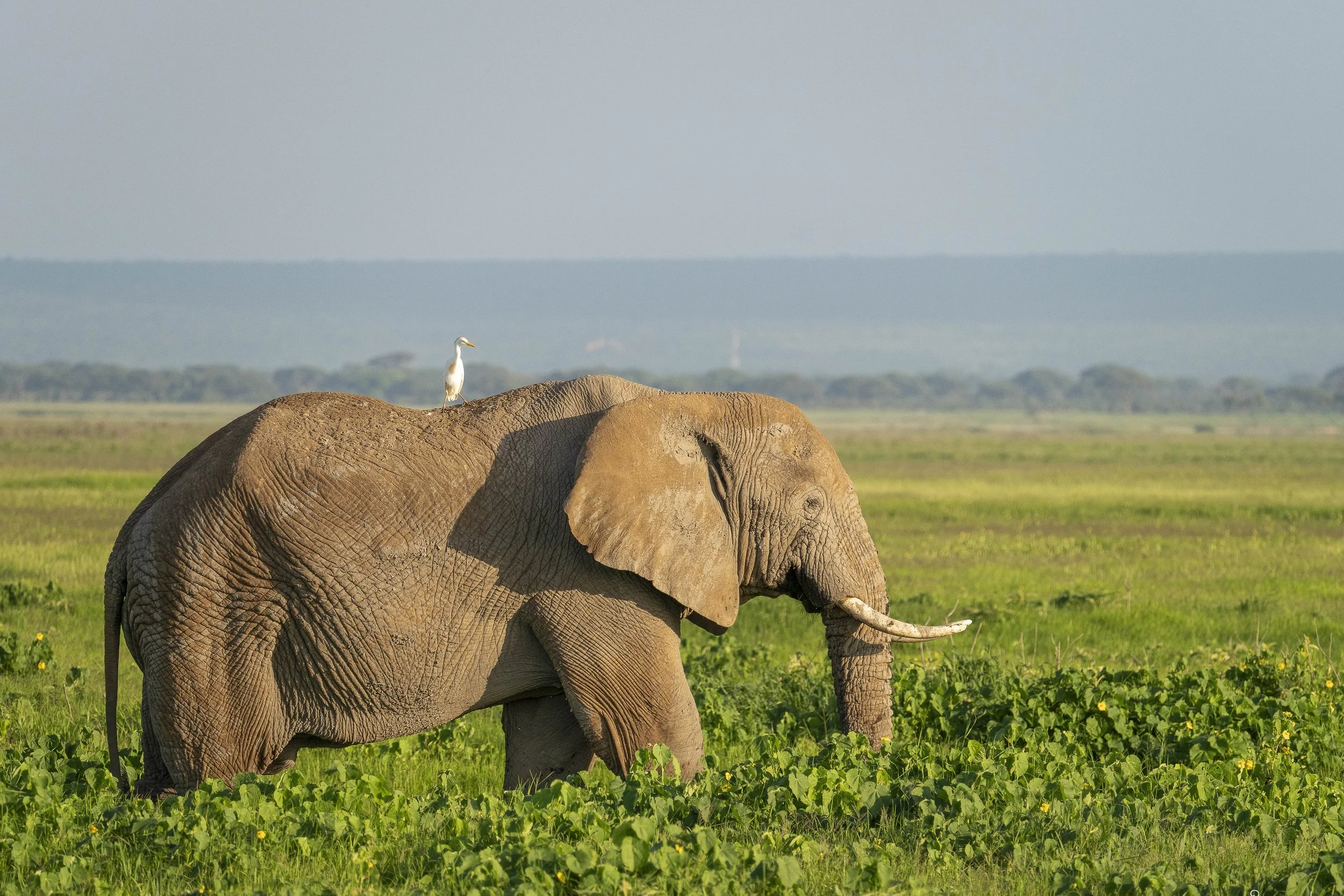
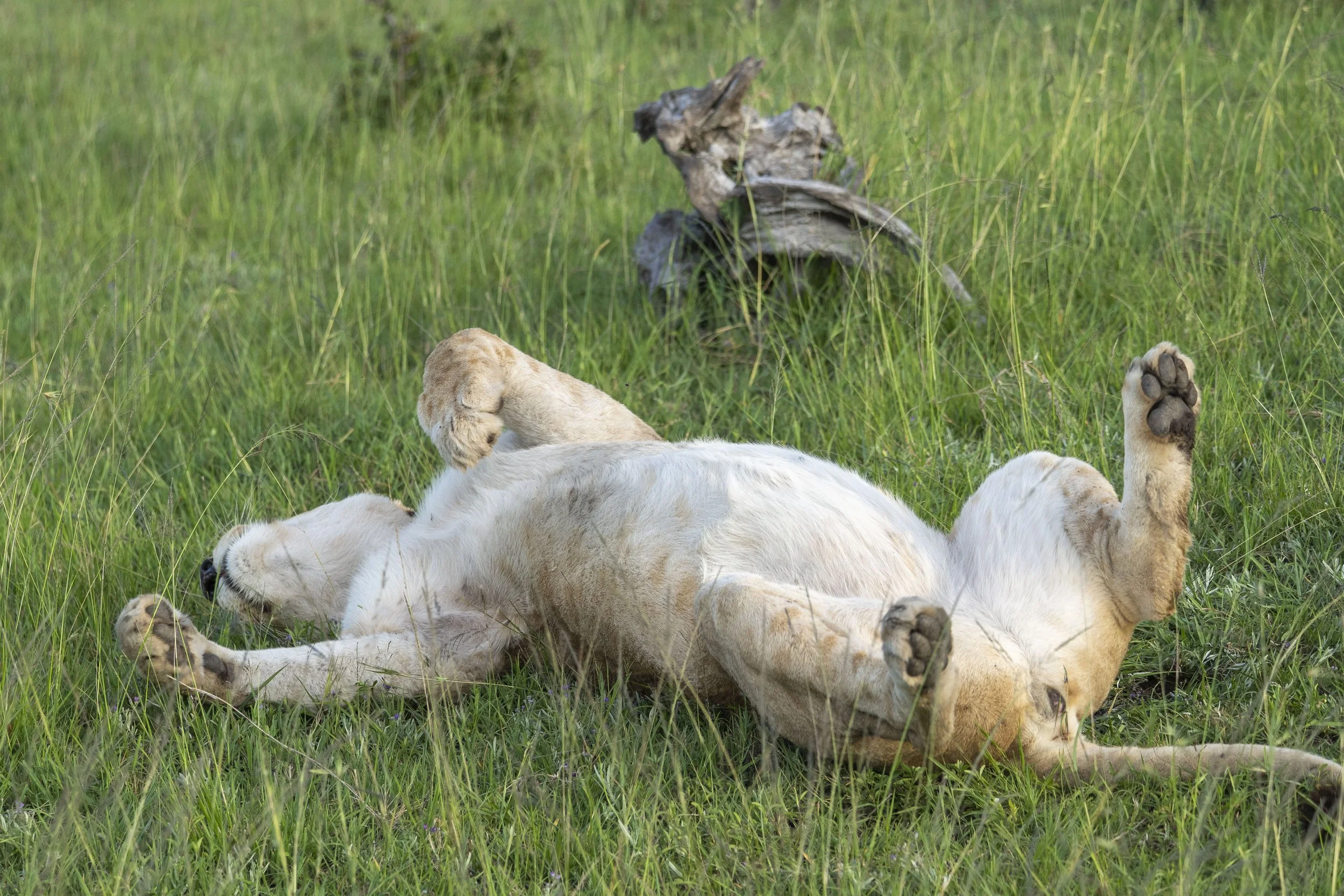
The density of wildlife means opportunity is constant. Lions resting in long grass, cheetahs scanning the horizon, elephants moving in quiet procession, the Mara offers moments that unfold naturally rather than needing to be chased. During the Great Migration, the visual drama intensifies: herds stretching beyond the frame, river crossings filled with motion and tension, predators following the rhythm of the plains. For a photographer, it is a place where behaviour, scale, and emotion can all exist in a single frame.
Light and timing define success here. Early mornings reward patience with rim-lit silhouettes and low-angle drama, while late afternoons deliver rich contrast and dimensional depth. The landscape shifts character throughout the day — cool and subdued at sunrise, bold and textured by sunset. Storm clouds building on the horizon or shafts of light breaking through after rain can transform an ordinary sighting into something extraordinary.
Yet, what truly defines photographing the Maasai Mara is space — space to wait, space to anticipate, space to compose deliberately. The vastness allows wildlife to exist within its environment, giving context rather than isolation. Images created here are not just portraits of animals; they are stories of wilderness, movement, and connection between subject and land. For those who are patient, the Mara rewards not just technical skill, but presence.